
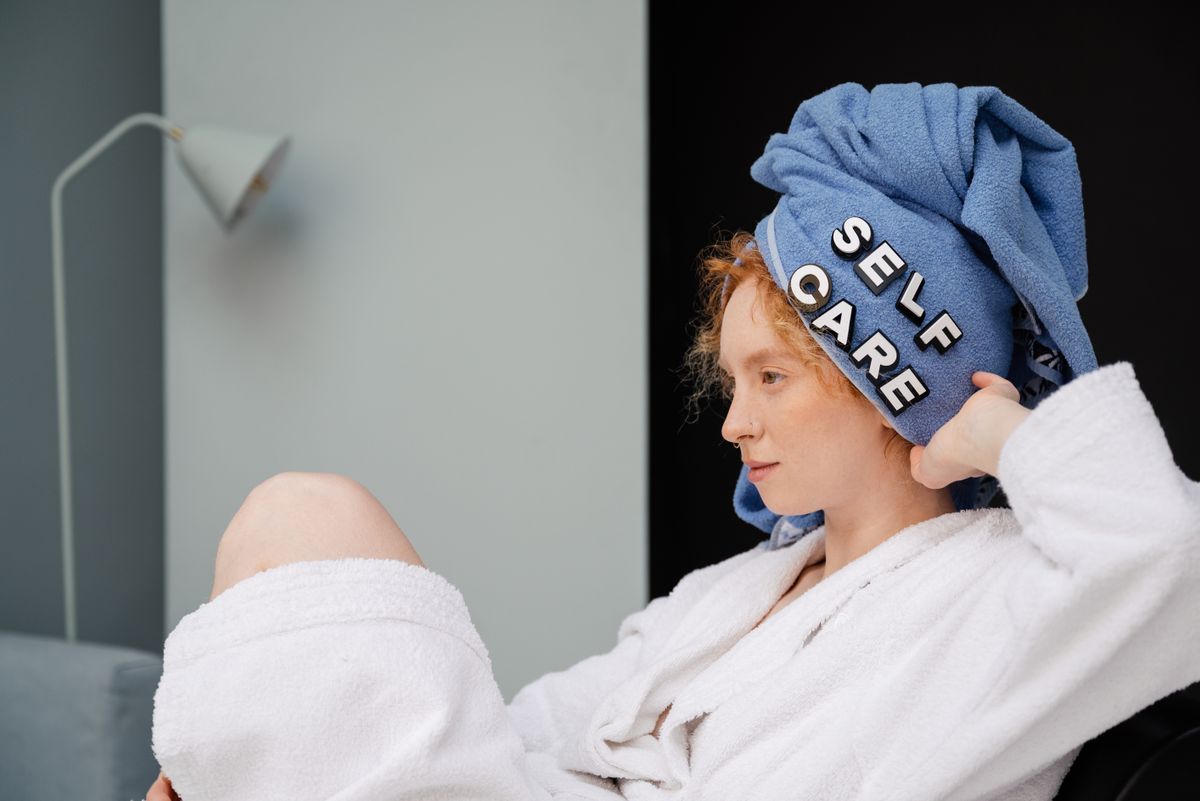
Featured Snippet Answer: Self-care is the practice of deliberately attending to physical, emotional, social, and mental well-being through consistent habits rather than occasional indulgence. Genuine self-care includes both enjoyable activities and less glamorous basics like sleep, boundaries, and managing responsibilities, not just spa days or treats.
Table of Contents
- What Self-Care Actually Means
- Physical Self-Care
- Emotional Self-Care
- Social Self-Care
- Mental and Intellectual Self-Care
- Self-Care on a Limited Budget or Schedule
- Building a Sustainable Self-Care Practice
- Common Self-Care Misconceptions
- FAQ
Self-care has become closely associated with marketing imagery — bath bombs, spa days, expensive treats — but genuine self-care is considerably broader and, honestly, often less indulgent-looking than that imagery suggests. This guide covers the full picture.
Key Takeaways – Self-care spans physical, emotional, social, and mental dimensions, not just relaxation or pampering. – Some of the most effective self-care practices — sleep, boundaries, addressing responsibilities — aren’t glamorous or particularly “treat yourself” in feel. – Self-care doesn’t require significant money or time to be genuinely effective. – Consistent, smaller self-care habits tend to matter more than occasional, larger gestures. – Self-care should support genuine well-being, not become an excuse to avoid necessary responsibilities or difficult but important tasks.
What Self-Care Actually Means
At its core, self-care means deliberately attending to your own well-being across several dimensions, rather than neglecting personal needs indefinitely while managing other responsibilities. This includes obviously enjoyable activities, but it equally includes less glamorous practices — getting adequate sleep, setting boundaries, addressing a nagging responsibility that’s been causing background stress, or simply resting when genuinely tired rather than pushing through out of guilt.
Physical Self-Care
Physical self-care covers the basic bodily needs that are easy to neglect under time pressure: adequate sleep, which affects nearly every other aspect of well-being; regular movement, which doesn’t need to be intense to provide genuine benefit; nutrition that generally supports steady energy rather than extreme restriction or overindulgence; and attending to healthcare needs (checkups, addressing symptoms) rather than indefinitely postponing them. These fundamentals often get deprioritized specifically because they don’t feel like dedicated “self-care time” in the way a more indulgent activity does, despite being foundational to overall well-being.
Emotional Self-Care
Emotional self-care involves acknowledging and processing feelings rather than suppressing or ignoring them indefinitely. Practical approaches include: journaling to process thoughts and emotions, allowing yourself to feel difficult emotions without immediate judgment or the pressure to “fix” them right away, setting emotional boundaries with people or situations that are consistently draining, and seeking support from a therapist or counselor when emotional challenges feel beyond what self-directed practices can adequately address.
| Self-Care Dimension | Example Practice | Common Misconception |
|---|---|---|
| Physical | Consistent sleep schedule | Only about exercise or diet |
| Emotional | Journaling, processing feelings | Only about avoiding negative emotions |
| Social | Maintaining meaningful connections | Only relevant to extroverts |
| Mental | Learning, mental rest, boundaries | Only about relaxation |
Social Self-Care
Genuine social connection is a component of self-care that’s sometimes overlooked in favor of more solitary, individually-focused practices. This includes nurturing relationships that provide genuine support and connection, setting boundaries with relationships that are consistently draining or unhealthy, and recognizing that social needs vary considerably between individuals — some people genuinely recharge through social connection, while others need more solitary time, and both are legitimate as long as some meaningful connection remains present in life overall.
Mental and Intellectual Self-Care
Mental self-care includes both rest (stepping away from constant demands and stimulation) and engagement (learning, creative pursuits, activities that provide a sense of accomplishment or growth). Both matter, and the right balance varies by individual and circumstances — someone in an intensely demanding period might need more mental rest, while someone in a quieter period might benefit more from intellectual engagement and stimulation. Setting boundaries around mental load — not agreeing to take on every request, protecting time for focused, undisturbed thought — also falls under this category.
Self-Care on a Limited Budget or Schedule
Genuine self-care doesn’t require significant money or time. Free or low-cost options include: a walk outside, journaling, reaching out to a friend, a few minutes of stretching or breathing exercises, and simply going to bed earlier on a night when that’s genuinely possible. Time-limited options work too — a five-minute mindful pause between tasks, a brief but genuine check-in with your own emotional state during a busy day, or a short walk during a lunch break all count as legitimate self-care, despite being far less elaborate than the imagery often associated with the term.
Building a Sustainable Self-Care Practice
Rather than treating self-care as an occasional, elaborate event, building smaller, more frequent practices into daily and weekly routines tends to provide more consistent, sustainable benefit. This might mean identifying one or two specific practices from each dimension (physical, emotional, social, mental) and building them into an existing routine, rather than waiting for a rare block of free time to attempt something more elaborate. Reassessing periodically, since self-care needs shift with circumstances, also helps keep the practice genuinely useful rather than a rigid, unexamined routine.
A Practical Example: A Realistic Weekly Self-Care Plan
Consider someone with a demanding job and limited free time trying to build a genuine self-care practice. A realistic weekly plan might include: a consistent bedtime most nights (physical), a short daily journal entry processing the day’s emotions, even just a few sentences (emotional), one dedicated phone or video call with a close friend each week (social), and twenty minutes of reading something unrelated to work before bed a few nights a week (mental). None of these individually takes significant time, but together they touch all four dimensions of self-care without requiring a dramatic schedule overhaul or significant expense.
Practicing Self-Care During Difficult Periods
Self-care often feels hardest to maintain exactly when it’s most needed — during high-stress periods, grief, illness, or other genuine hardship. During these times, the goal often shifts from thriving-oriented practices toward more basic maintenance: ensuring minimum adequate sleep and nutrition, allowing extra flexibility and self-compassion around productivity expectations, and leaning more heavily on social support rather than attempting to manage everything independently. Self-care during genuinely difficult periods often looks less like the calm, put-together imagery associated with the term and more like simply getting through with basic needs met — which is a completely legitimate and often more important form of self-care than any specific activity.
Common Self-Care Misconceptions
- Assuming self-care must be expensive or elaborate (spa treatments, vacations) rather than including small, accessible daily practices.
- Treating self-care exclusively as indulgence, overlooking less glamorous but equally important practices like sleep and addressing responsibilities.
- Using “self-care” as a justification for avoiding necessary but uncomfortable tasks or responsibilities indefinitely.
- Assuming self-care looks the same for everyone, when individual needs vary considerably based on personality, circumstances, and current life demands.
- Waiting for a large block of free time to practice self-care rather than building smaller, more frequent practices into daily life.
Overcoming Guilt Around Self-Care
Many people, particularly those in caregiving roles or high-demand jobs, experience genuine guilt around prioritizing their own needs, viewing it as taking time away from others who depend on them. Reframing this can help: sustainable capacity to care for others, meet work demands, or show up fully in relationships generally depends on some baseline of personal well-being being maintained, rather than existing independently of it. Consistently running on empty tends to reduce the quality of care and attention given to others over time, not just personal well-being, making self-care in this sense less of a competing priority and more of a supporting foundation for everything else.
FAQ
What’s the difference between self-care and being selfish? Self-care supports sustainable well-being that ultimately benefits your ability to show up for responsibilities and relationships; being selfish typically involves disregarding others’ genuine needs, which is a different concern entirely.
Does self-care have to cost money? No — many effective self-care practices, like walking, journaling, or reaching out to a friend, require little to no money.
How much time does self-care actually require? It varies, but even a few minutes daily for practices like breathing exercises or a brief walk can provide genuine benefit, without requiring significant time investment.
Is self-care just about relaxation? No — self-care spans physical, emotional, social, and mental dimensions, including practices like addressing responsibilities and setting boundaries that aren’t purely about relaxation.
How do I know what self-care practices are right for me? Individual needs vary considerably — paying attention to what genuinely restores your energy and well-being, rather than following generic advice, tends to reveal what’s most personally effective.
Can self-care become unhealthy or excessive? Yes, if it becomes a consistent avoidance of necessary responsibilities or an excuse for behaviors that aren’t genuinely supportive of long-term well-being.
Is self-care different for introverts and extroverts? Social self-care needs can differ meaningfully — introverts may need more solitary recharge time, while extroverts may need more social connection, and both are legitimate.
How do I practice self-care with a very busy schedule? Small, time-limited practices — a brief walk, a few minutes of journaling, a short mindful pause — can be built into even a genuinely packed schedule without requiring dedicated large blocks of time.
Should self-care include difficult or uncomfortable activities? Sometimes, yes — addressing a nagging responsibility or having a difficult but necessary conversation can be a genuine form of self-care, even though it isn’t purely pleasant in the moment.
When should self-care be supplemented with professional support? When emotional or mental challenges feel beyond what self-directed practices can adequately address, a therapist or counselor can provide support that self-care alone isn’t designed to fully replace.
Is it selfish to prioritize self-care over others’ needs sometimes? Not inherently — sustainable well-being generally requires some attention to personal needs, and consistently neglecting them tends to reduce capacity to genuinely support others over time.
How often should I practice self-care? Regularly, ideally through small, consistent daily or weekly practices rather than infrequent, larger gestures, which tend to provide less sustained benefit.
Can self-care practices change over time? Yes, and they often should — self-care needs shift with changing circumstances, so periodically reassessing what’s genuinely helpful rather than sticking to a fixed routine indefinitely tends to keep the practice useful.
Is self-care the same as pampering yourself? Pampering can be one form of self-care, but the broader concept includes many less indulgent practices, like sleep, boundaries, and addressing responsibilities, that don’t fit the pampering framing at all.
How do I start a self-care practice if I’ve never had one? Starting with one or two small, accessible practices — a short daily walk, a few minutes of journaling — tends to be more sustainable than attempting an elaborate routine immediately.
How do I overcome guilt about prioritizing self-care? Recognizing that sustainable capacity to care for others or meet demands generally depends on some baseline personal well-being being maintained can help reframe self-care as supportive rather than competing with other priorities.
What does self-care look like during a genuinely difficult period, like grief or illness? Often more basic than usual — ensuring minimum adequate sleep and nutrition, allowing extra self-compassion, and leaning on social support tend to matter more than specific activities during these times.
Is it normal for self-care needs to differ significantly between people? Yes — individual personality, circumstances, and current life demands all affect what genuinely restores someone, which is why self-care shouldn’t be a one-size-fits-all prescription.
Can self-care practices be combined with existing daily routines? Yes, and this tends to support consistency — attaching a small self-care practice to an already-established routine, like journaling before bed, makes it easier to sustain than treating it as a separate, additional task.
Conclusion
Genuine self-care is broader and often less glamorous than its common marketing image — it spans physical, emotional, social, and mental well-being, and includes both enjoyable activities and less exciting but equally important basics like sleep and boundaries. Build small, consistent practices that genuinely fit your life and current circumstances, rather than waiting for rare, elaborate opportunities. For more on building a genuinely healthier daily life, explore related lifestyle articles on MillionTalks.