
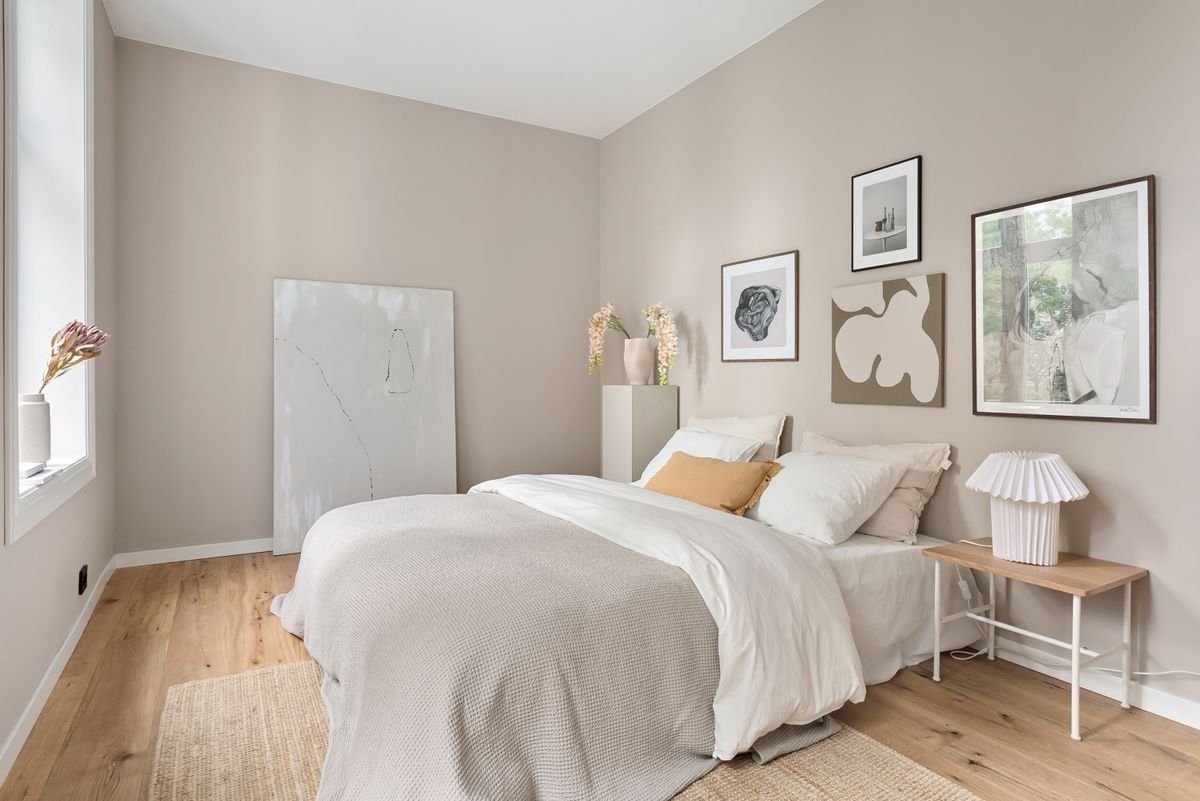
Featured Snippet Answer: Modern bedroom design typically emphasizes clean lines, a restrained color palette, functional furniture with minimal ornamentation, and layered lighting — prioritizing calm and comfort alongside visual style, rather than choosing one over the other.
Table of Contents
- What Defines Modern Bedroom Style
- Choosing a Color Palette
- Furniture Selection and Layout
- Lighting for a Modern Bedroom
- Textiles and Layering for Comfort
- Storage That Fits the Modern Aesthetic
- Small Modern Bedroom Considerations
- Common Design Mistakes
- FAQ
Modern bedroom design sometimes gets a reputation for feeling cold or sparse, but well-executed modern style is just as much about warmth and comfort as it is about clean visual lines — the two goals aren’t actually in conflict when approached thoughtfully.
Key Takeaways – Modern bedroom design favors clean lines and restraint, but this doesn’t require sacrificing warmth or comfort. – A neutral or muted base palette with a few intentional accent colors defines most modern bedroom schemes. – Furniture should be functional first, with minimal unnecessary ornamentation, rather than purely decorative. – Layered lighting supports both the practical needs and the calm atmosphere central to modern design. – Textiles — bedding, rugs, curtains — carry much of the warmth in a modern room that might otherwise feel too austere.
What Defines Modern Bedroom Style
Modern design, distinct from the broader and more varied “contemporary” label, generally emphasizes clean, simple lines, a restrained material and color palette, and function-forward furniture without excessive decorative detail. Applied to a bedroom specifically, this translates to an uncluttered space, a calming rather than visually busy color scheme, and furniture chosen for both its clean aesthetic and genuine practicality rather than ornamentation for its own sake.
Choosing a Color Palette
Modern bedrooms typically build from a neutral or muted base — soft whites, warm greys, gentle greiges — which supports the calm, restful atmosphere a bedroom is meant to provide. Within that neutral foundation, one or two accent colors, often deeper or richer tones (a deep navy, a muted forest green, a warm terracotta) introduce visual interest without overwhelming the space. This approach differs from a purely stark, all-white minimalist look by allowing intentional warmth and personality through carefully chosen accents rather than color throughout.
| Palette Element | Common Choices | Purpose |
|---|---|---|
| Base neutral | Soft white, warm grey, greige | Creates a calm foundation |
| Accent color | Deep navy, forest green, terracotta | Adds warmth and personality |
| Metal accents | Brushed brass, matte black | Provides subtle contrast and finish |
Furniture Selection and Layout
Modern bedroom furniture generally favors clean-lined pieces without heavy ornamentation — a platform bed rather than an elaborately carved frame, nightstands with simple geometric forms, and a dresser or wardrobe with minimal hardware or decorative detail. In terms of layout, the bed typically anchors the room as the visual and functional focal point, ideally positioned to allow clear walking space on both sides where the room size allows, with nightstands flanking it symmetrically to create a sense of visual balance central to modern design principles.
Lighting for a Modern Bedroom
Layered lighting supports both the practical needs of a bedroom and its intended calm atmosphere: a statement overhead fixture (a simple pendant or flush-mount with clean lines) provides general illumination, bedside table lamps or wall-mounted sconces provide functional reading light without requiring a trip across the room, and where possible, dimmable fixtures allow the lighting to shift from brighter, functional daytime use to a softer, more relaxed evening atmosphere.
Textiles and Layering for Comfort
Textiles carry much of the actual warmth and comfort in a modern bedroom, offsetting the cleaner, more restrained furniture and wall treatments. Layered bedding — a fitted sheet, a duvet or comforter, and a folded throw or extra blanket at the foot of the bed — adds both visual depth and genuine tactile comfort. A soft area rug, particularly on hard flooring, adds warmth underfoot and helps ground the furniture arrangement. Curtains in a natural, textured fabric soften the clean lines of the room’s furniture and architecture without introducing visual clutter.
Storage That Fits the Modern Aesthetic
Modern design’s emphasis on clean visual lines makes storage particularly important, since visible clutter undermines the intended calm simplicity more in a modern room than in more maximalist styles. Built-in or closed storage — a wardrobe with solid doors rather than open shelving, under-bed storage drawers, or a bench with hidden storage at the foot of the bed — helps maintain the uncluttered look central to modern style while still accommodating genuine storage needs.
Small Modern Bedroom Considerations
Modern design principles translate particularly well to small bedrooms, since the emphasis on restraint and function naturally suits limited space. A platform bed with built-in storage drawers underneath maximizes function without adding a separate storage piece. Wall-mounted nightstands or sconces free up floor space compared to traditional freestanding nightstands and table lamps. And a genuinely restrained approach to decor — a few carefully chosen pieces rather than an abundance of smaller items — keeps a small modern bedroom feeling calm rather than cramped.
A Practical Example: A Modern Bedroom Refresh
Consider a bedroom currently furnished with an ornate, dark wood bedroom set and a busy, patterned bedding ensemble. A modern refresh might involve replacing the heavy furniture with a simple platform bed and streamlined nightstands, repainting the walls in a warm, muted neutral, and swapping the patterned bedding for a layered but simpler scheme — a solid or subtly textured duvet, natural linen or cotton sheets, and a single textured throw at the foot of the bed. Adding a pair of simple ceramic or matte-metal table lamps and a soft, neutral area rug completes the transformation without requiring the room to be gutted entirely — much of the existing room’s bones (window treatments, flooring) can often remain, with the furniture and textiles doing most of the work in shifting the overall feel.
Material Choices That Define Modern Style
Beyond color and furniture shape, material choice plays a significant role in achieving a genuinely modern feel. Natural materials — wood, linen, wool — introduced in simple, unfussy forms tend to work particularly well, providing warmth and texture without ornamental detail. Matte finishes, whether on walls, furniture, or hardware, generally read as more contemporary than high-gloss or heavily textured alternatives. And a limited material palette throughout the room — perhaps one wood tone, one metal finish, and a small number of complementary fabric textures — supports the cohesive, restrained feeling central to modern design, compared to a room mixing many different materials and finishes without a clear unifying thread.
Common Design Mistakes
- Confusing “modern” with “cold” or “sparse,” and neglecting textiles and layering that provide genuine warmth and comfort.
- Choosing an overly stark, all-white palette without any accent color, which can feel more clinical than calming.
- Overcrowding a small modern bedroom with too many furniture pieces, undermining the clean, restrained aesthetic central to the style.
- Relying on a single overhead light source rather than the layered lighting that supports both function and atmosphere.
- Neglecting closed storage, allowing visible clutter to undermine an otherwise well-designed modern space.
Integrating Technology Without Disrupting the Aesthetic
Modern bedrooms often still need to accommodate charging stations, speakers, or smart home devices, which can visually clash with a clean, restrained design if not planned deliberately. A few approaches keep technology from undermining the aesthetic: nightstands with a built-in drawer or cutout specifically for charging cords, keeping cables out of sight rather than trailing visibly across a surface; choosing devices in finishes that blend with the room’s existing palette rather than standing out starkly; and, where possible, tucking speakers or smaller devices onto shelves or within storage rather than leaving them as the most visually prominent objects in the room.
FAQ
What colors work best in a modern bedroom? A neutral base (soft white, warm grey, greige) paired with one or two deeper accent colors is a common and effective approach to modern bedroom color schemes.
Does modern bedroom design have to feel cold or sparse? No — thoughtful use of textiles, layered lighting, and warm accent colors can create a genuinely cozy modern bedroom without sacrificing the style’s clean-lined aesthetic.
What furniture style suits a modern bedroom? Clean-lined, minimally ornamented furniture — platform beds, simple geometric nightstands, dressers with understated hardware — generally defines the modern bedroom aesthetic.
How is modern design different from minimalist design? They overlap significantly, though modern design allows more room for warmth, texture, and accent color, while minimalist design tends to emphasize even greater restraint and a more limited color and object palette.
What lighting works best in a modern bedroom? Layered lighting — a clean-lined overhead fixture combined with bedside lamps or sconces, ideally on dimmers — supports both function and the calm atmosphere central to modern design.
Can a small bedroom still achieve a modern design aesthetic? Yes, and modern design principles often suit small bedrooms particularly well, given the style’s natural emphasis on restraint and function over abundance.
What textiles work best in a modern bedroom? Layered, natural-textured bedding, a soft area rug, and curtains in natural fabrics all add warmth and depth without undermining the room’s clean overall lines.
Should a modern bedroom have an accent wall? It’s optional but common — a single accent wall in a deeper color or subtle texture can add visual interest without overwhelming the overall restrained palette.
How much storage does a modern bedroom need? Adequate closed storage is particularly important in modern design, since visible clutter undermines the style’s clean, calm aesthetic more than in busier design styles.
What’s a good bed frame style for modern bedrooms? Platform beds with clean, simple lines are among the most common choices, often chosen specifically for their minimal ornamentation and low-profile silhouette.
Can metal accents work in a modern bedroom? Yes — brushed brass, matte black, or similar finishes on light fixtures and hardware provide subtle contrast and a finished feel within a modern scheme.
Is symmetry important in modern bedroom design? Symmetrical elements, like matching nightstands and lamps flanking the bed, are common in modern design and tend to support the calm, balanced feeling central to the style.
How do I add warmth to an all-white modern bedroom? Introducing a deeper accent color, natural wood tones, and layered textiles are all effective ways to add warmth to an otherwise stark all-white scheme.
What rug size works best under a modern bed? A rug large enough to extend beyond the sides and foot of the bed generally grounds the space better than a small rug that appears to float beneath just the center of the bed.
Do modern bedrooms typically include a lot of decorative accessories? Generally no — modern design favors a restrained number of carefully chosen accessories over an abundance of smaller decorative items, in keeping with its overall emphasis on simplicity.
How do I keep charging cords and tech devices from disrupting a modern look? Nightstands with built-in cable management, devices in finishes that match the room’s palette, and tucking smaller devices onto shelves all help technology blend in rather than stand out.
Can I mix wood tones in a modern bedroom? It’s generally recommended to stick to one primary wood tone for a more cohesive, restrained look, though a single contrasting accent piece can work if chosen deliberately.
What’s a good starting point for updating a dated bedroom to feel more modern? Simplifying the furniture silhouette, refreshing the wall color to a warm neutral, and updating bedding to a more streamlined, layered scheme are often the highest-impact starting changes.
Should lighting fixtures match throughout a modern bedroom? They don’t need to match exactly, but coordinating finishes (all brushed brass, for instance, or all matte black) tends to support the cohesive feel central to modern design.
Conclusion
A well-designed modern bedroom balances clean, restrained lines with genuine warmth and comfort through thoughtful color, layered lighting, and quality textiles. The style doesn’t require sacrificing coziness for aesthetics — the two work together when the space is planned with both function and comfort in mind. For more bedroom and home design ideas, explore related home decor articles on MillionTalks.