
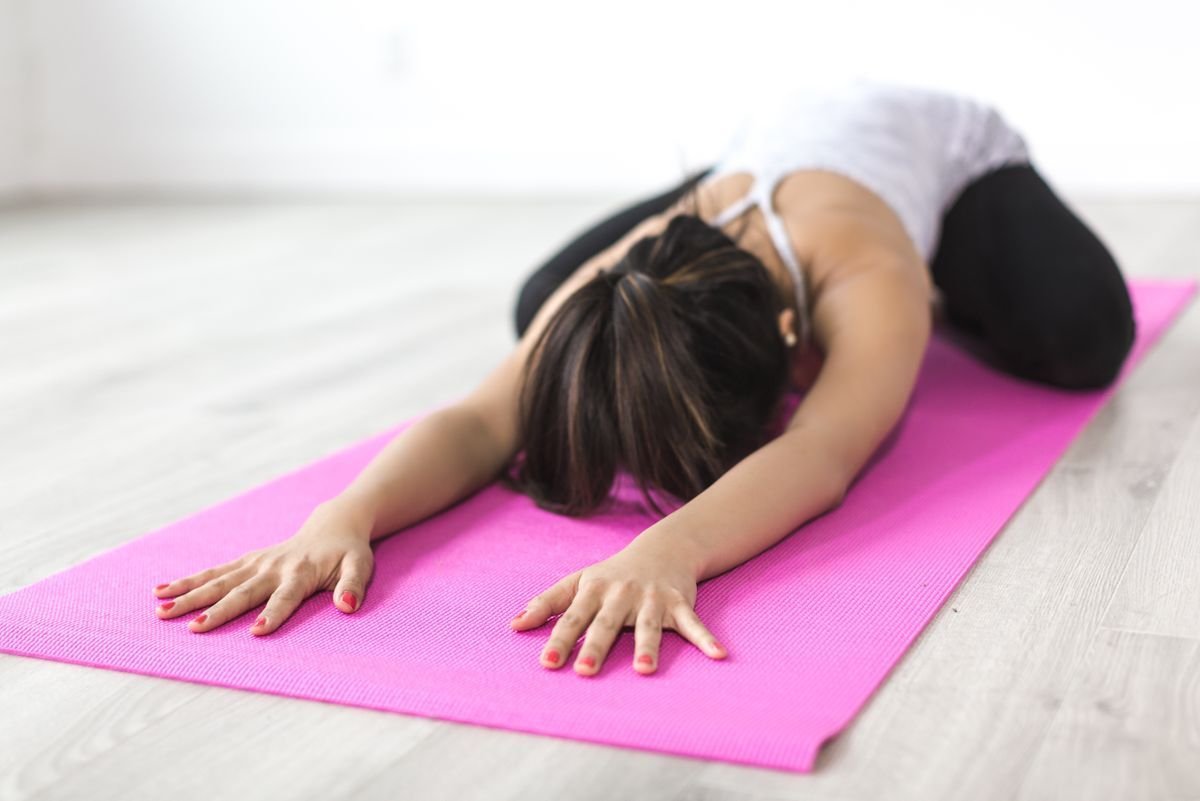
Featured Snippet Answer: Beginner yoga typically starts with a small set of foundational poses — child’s pose, downward dog, cat-cow, and mountain pose among them — combined with basic breathing techniques, practiced for 10 to 20 minutes a few times a week to gradually build flexibility, strength, and stress relief.
Table of Contents
- What Yoga Actually Offers Beginners
- Foundational Poses to Start With
- Basic Breathing Techniques
- A Simple Beginner Routine
- What to Expect in the First Few Weeks
- Choosing Between Styles and Formats
- Common Beginner Mistakes
- Building a Consistent Practice
- FAQ
Yoga has a reputation for requiring flexibility most beginners feel they don’t yet have, which keeps a lot of people from ever starting. In reality, foundational yoga poses are accessible at any flexibility level, and flexibility itself develops through consistent, gentle practice rather than being a prerequisite to begin.
This article provides general information about beginning a yoga practice, not personalized medical advice. Anyone with existing injuries, health conditions, or significant physical limitations should consult a doctor before starting, and consider working with a qualified instructor initially.
Key Takeaways – Flexibility is a result of consistent yoga practice, not a prerequisite for starting. – A small set of foundational poses covers most of what a beginner routine needs. – Breathing technique is as central to yoga as the physical poses themselves, not a minor add-on. – Short, consistent sessions (10 to 20 minutes) tend to build a sustainable habit better than infrequent, longer ones. – Modifications exist for nearly every pose, making yoga genuinely accessible regardless of current flexibility or strength.
What Yoga Actually Offers Beginners
Beyond the physical stretching most people associate with yoga, a regular practice is commonly associated with improved flexibility and strength over time, stress reduction through the combination of movement and controlled breathing, better body awareness and posture, and a meditative, calming quality that many practitioners find valuable beyond the physical benefits alone.
Foundational Poses to Start With
Mountain pose (Tadasana): a simple standing pose focused on posture and alignment, often used as a starting and resting position between other poses.
Child’s pose (Balasana): a gentle, resting pose that stretches the back and hips, commonly used to rest during a session whenever needed.
Downward-facing dog (Adho Mukha Svanasana): an inverted V-shape stretching the hamstrings, calves, and shoulders, one of the most recognizable and frequently used yoga poses.
Cat-cow (Marjaryasana-Bitilasana): a gentle, flowing movement between two positions that mobilizes the spine, often used as a warm-up.
Warrior I and II (Virabhadrasana I and II): standing poses that build leg strength and stability while opening the hips and chest.
Seated forward fold (Paschimottanasana): a gentle hamstring and back stretch performed seated, adaptable with bent knees for those with limited flexibility.
| Pose | Primary Benefit | Beginner Modification |
|---|---|---|
| Mountain pose | Posture, alignment | None typically needed |
| Child’s pose | Rest, gentle back stretch | Widen knees for comfort |
| Downward dog | Hamstring, shoulder stretch | Bend knees generously |
| Cat-cow | Spinal mobility | Move within a comfortable range |
| Warrior I/II | Leg strength, hip opening | Shorten stance, use a wall for balance |
| Seated forward fold | Hamstring, back stretch | Keep knees bent |
Basic Breathing Techniques
Breath is central to yoga practice, not an incidental detail. Ujjayi breath (a slightly constricted, audible breath through the nose) is commonly used throughout a practice to maintain focus and rhythm. Simple diaphragmatic breathing — deep breaths that expand the belly rather than just the chest — supports the calming, stress-reducing effects many people seek from yoga. Beginners are generally encouraged to focus on slow, steady, even breathing throughout a session rather than holding the breath during more challenging poses, which is a common beginner tendency worth consciously avoiding.
A Simple Beginner Routine
A realistic 15 to 20 minute beginner routine might include: starting in child’s pose for a minute to settle in, moving through several rounds of cat-cow to warm up the spine, transitioning to downward dog held for several breaths, stepping into a warrior pose on each side, moving to a seated forward fold, and finishing with a few minutes lying down in a resting pose, focusing on breath before ending the session.
This sequence covers a full-body stretch, a foundational strength element, and a calming close, structured simply enough to remember and repeat without needing to consult instructions every single time.
What to Expect in the First Few Weeks
Early sessions often feel awkward or physically limited compared to images of experienced practitioners, which is entirely normal and not a sign of doing something wrong. Flexibility and comfort in poses genuinely develop with consistent practice over weeks and months, not within the first few sessions. Some mild muscle soreness, similar to starting any new physical activity, is common initially and generally subsides as the body adjusts to the new movement patterns.
Choosing Between Styles and Formats
Yoga encompasses many distinct styles, and beginners don’t need to master this landscape immediately: gentler styles (Hatha, restorative) suit those wanting a slower, more meditative introduction; more active styles (Vinyasa, Power yoga) suit those wanting more of a workout element alongside the stretching and breathing. In terms of format, in-person classes offer direct feedback on form and alignment from an instructor, while online videos and apps offer more scheduling flexibility — many beginners benefit from starting with at least a few in-person or live-guided sessions to establish proper form before continuing independently.
Using Props to Support Beginner Practice
Yoga props exist specifically to make poses more accessible, not as a sign of insufficient ability. A yoga block can bring the floor “closer” in poses requiring a hand to reach the ground, useful for anyone with limited hamstring or hip flexibility in forward folds. A folded blanket under the knees provides cushioning in kneeling poses like cat-cow, and a wall can provide balance support in standing poses like warrior or tree pose while stability develops. Many beginners skip props out of a sense that using them signals weakness, when in reality experienced practitioners use props regularly too, simply for different purposes as their practice evolves.
A Practical Example: A Beginner’s First Two Weeks
Consider someone completely new to yoga, easing in gradually rather than committing to an ambitious daily practice immediately. Week one might involve three short sessions, each around 10 minutes, focusing purely on the foundational poses and getting comfortable with basic breathing — no pressure to hold poses for long periods or master proper alignment immediately. Week two might extend session length slightly to 15 minutes and introduce one or two new poses, building gradually on the growing comfort with the basics from week one.
This gradual approach — rather than attempting a full hour-long class-style session from day one — tends to feel considerably more sustainable and enjoyable, reducing the early discouragement that sometimes causes beginners to abandon yoga before giving it a genuine chance to show results.
Common Beginner Mistakes
- Comparing personal flexibility to more experienced practitioners rather than tracking individual progress over time.
- Holding the breath during challenging poses instead of maintaining steady, even breathing throughout.
- Pushing into pain rather than a mild, tolerable stretch sensation, increasing injury risk.
- Skipping modifications out of a sense that they represent “not doing it properly,” when modifications are a legitimate, intended part of yoga practice at every level.
- Practicing inconsistently rather than building a shorter but more regular routine, which tends to produce better results over time.
Building a Consistent Practice
A short, consistent practice — even just 10 to 15 minutes a few times a week — tends to build both flexibility and a lasting habit more effectively than infrequent, longer sessions. Practical ways to support consistency: keeping a mat visible and easily accessible rather than stored away, attaching the practice to an existing routine (right after waking, or before bed) rather than trying to find a new time slot each day, and being flexible about session length on busier days rather than skipping entirely when a full session doesn’t fit.
The Mind-Body Connection Beginners Often Miss
New practitioners tend to focus almost entirely on the physical shape of each pose, which is a natural starting point but only part of what yoga offers. Paying attention to sensation in the body, noticing where tension is being held, and staying present with the breath rather than mentally rehearsing the next pose all add a dimension to practice that pure physical execution misses. This doesn’t need to be complicated or overly philosophical — simply noticing how a pose feels, rather than only whether it looks correct, is often enough to start experiencing the calming, present-focused quality many long-term practitioners describe as one of yoga’s most valuable aspects.
FAQ
Do I need to be flexible to start yoga? No — flexibility develops through consistent practice; it’s not a prerequisite for beginning, and modifications exist for nearly every pose regardless of current flexibility.
How long should a beginner yoga session be? 10 to 20 minutes is a realistic, sustainable starting length for most beginners, with consistency mattering more than session length.
What equipment do I need to start yoga at home? A yoga mat is genuinely helpful for comfort and grip, though beginners can start with just a towel or carpeted surface if a mat isn’t yet available.
How often should beginners practice yoga? Two to four times a week is a realistic, sustainable starting frequency, allowing consistency without requiring a daily commitment right away.
Is yoga a good workout for building strength? Yes, to a meaningful degree — many yoga poses, particularly standing poses like warriors, build genuine strength alongside flexibility, though it’s generally less intense than dedicated strength training.
What’s the difference between yoga styles like Hatha and Vinyasa? Hatha tends to be slower-paced and gentler, holding poses longer, while Vinyasa links poses together in a more continuous, flowing, and physically demanding sequence.
Can yoga help with stress and anxiety? Many practitioners find it genuinely helpful for stress management, largely through the combination of physical movement and focused, controlled breathing.
Is it normal to feel wobbly or unbalanced in beginner poses? Yes — balance improves with practice, and feeling unsteady in standing poses initially is a normal part of the learning process, not a sign of doing something wrong.
Should beginners take a class or learn from videos? Both can work, though starting with at least some in-person or live-guided instruction helps establish proper form and alignment before continuing independently with videos.
What should I wear for a beginner yoga practice? Comfortable, flexible clothing that allows a full range of motion is generally recommended, without any need for specialized yoga-specific attire.
Can yoga help with back pain? Many people find certain gentle yoga poses helpful for general back discomfort, though anyone with a specific back condition or injury should consult a doctor before starting a new practice.
How long until I notice increased flexibility from yoga? This varies by individual, but many beginners notice some improvement within a few weeks of consistent practice, with more significant changes typically developing over months.
Is it okay to modify poses instead of doing the “full” version? Yes, absolutely — modifications are a legitimate and intended part of yoga practice at every level, not a lesser version of the “real” pose.
What time of day is best for yoga practice? Whichever time consistently fits into an existing routine tends to work best — morning sessions can help set a calm tone for the day, while evening sessions can support winding down.
Do I need to be able to touch my toes to do yoga? No — many poses accommodate limited flexibility through modifications like bent knees, and flexibility develops through the practice itself rather than being required beforehand.
Are yoga props necessary for beginners? Not strictly necessary, but blocks, blankets, and walls can make many poses more accessible and comfortable, and using them is a legitimate part of practice at any level rather than a sign of insufficient ability.
Is it normal to think about other things during yoga instead of staying focused? Yes, especially at first — gently returning attention to breath and sensation when the mind wanders is itself part of the practice, not a sign of doing it incorrectly.
Can yoga be practiced every day, or is rest needed like other exercise? Gentle yoga can often be practiced daily without the same recovery concerns as intense strength training, though listening to the body and resting when needed still applies.
Conclusion
Yoga is genuinely accessible to complete beginners, regardless of current flexibility or experience — a small set of foundational poses, basic breathing awareness, and short, consistent sessions build real progress over time. Start gently, use modifications freely, and prioritize consistency over intensity or perfect form in these early weeks. For more on building healthy habits, explore related health and fitness articles on MillionTalks.