
Featured Snippet Answer: Healthy breakfast ideas generally combine protein, fiber, and healthy fats to support steady energy through the morning — options range from quick grab-and-go choices like overnight oats and smoothies to make-ahead favorites like egg muffins and breakfast burritos for busier weeks.
Table of Contents
- What Makes a Breakfast Genuinely Healthy
- Quick Grab-and-Go Ideas
- Make-Ahead and Meal Prep Ideas
- High-Protein Breakfast Ideas
- Savory Breakfast Ideas
- Egg-Free Breakfast Ideas
- Kid-Friendly Breakfast Ideas
- Weekend Breakfast Ideas
- Common Breakfast Mistakes
- FAQ
Breakfast doesn’t need to be elaborate to be genuinely nourishing — some of the most reliably satisfying options take five minutes or can be prepared entirely in advance. These 30 ideas are grouped by situation, so finding the right one for a specific morning is easy.
Key Takeaways – A combination of protein, fiber, and healthy fats tends to provide steadier morning energy than carbohydrate-heavy options alone. – Make-ahead breakfasts remove the biggest barrier to eating well on busy mornings: time. – Savory and egg-free options exist in genuine abundance for anyone who doesn’t enjoy typical sweet or egg-based breakfasts. – Kid-friendly doesn’t have to mean less nutritious — several options work well for the whole family at once. – Consistency matters more than perfection — a simple, repeatable breakfast beats an elaborate one that’s too much effort to sustain.
What Makes a Breakfast Genuinely Healthy
Rather than focusing on any single “superfood,” a genuinely well-rounded breakfast typically includes a source of protein (eggs, yogurt, nut butter), fiber (whole grains, fruit, vegetables), and some healthy fat (avocado, nuts, seeds) — this combination tends to support more stable energy and fullness through the morning compared to a breakfast heavy in refined carbohydrates and sugar alone, which can lead to an energy dip within a couple of hours.
Quick Grab-and-Go Ideas
1. Overnight oats. Oats soaked overnight in milk or a milk alternative, ready to eat cold or warmed in the morning — endlessly customizable with fruit, nut butter, or spices.
2. Greek yogurt with fruit and nuts. A protein-rich base topped with whatever fruit is on hand and a handful of nuts or seeds for texture and healthy fat.
3. A simple smoothie. Blended fruit, a protein source (yogurt, protein powder, nut butter), and a liquid base — ready in under five minutes and easy to drink on the way out the door.
4. Whole-grain toast with nut butter and banana. A classic, satisfying combination that takes minutes and travels well if needed.
5. A piece of fruit with a handful of nuts. About as simple as breakfast gets, and genuinely sufficient on busier mornings.
6. Cottage cheese with fruit. High in protein, pairs well with almost any fresh or frozen fruit, and requires zero preparation.
Make-Ahead and Meal Prep Ideas
7. Egg muffins. Whisked eggs baked in a muffin tin with vegetables and cheese, made in a batch and reheated through the week.
8. Overnight chia pudding. Chia seeds soaked in milk overnight, forming a pudding-like texture, topped with fruit in the morning.
9. Breakfast burritos, frozen in batches. Eggs, beans, and vegetables wrapped and frozen individually, then reheated on busy mornings.
10. Baked oatmeal. A casserole-style version of oatmeal baked in a large dish and portioned out through the week.
11. Homemade granola bars. Oats, nuts, and a binder like honey or nut butter, baked or set in the fridge, then cut into portions.
12. Breakfast quinoa. Cooked quinoa reheated with milk and toppings, similar to oatmeal but with a different texture and higher protein content.
High-Protein Breakfast Ideas
13. Scrambled eggs with vegetables. A straightforward, protein-rich classic that can be varied endlessly with different vegetable combinations.
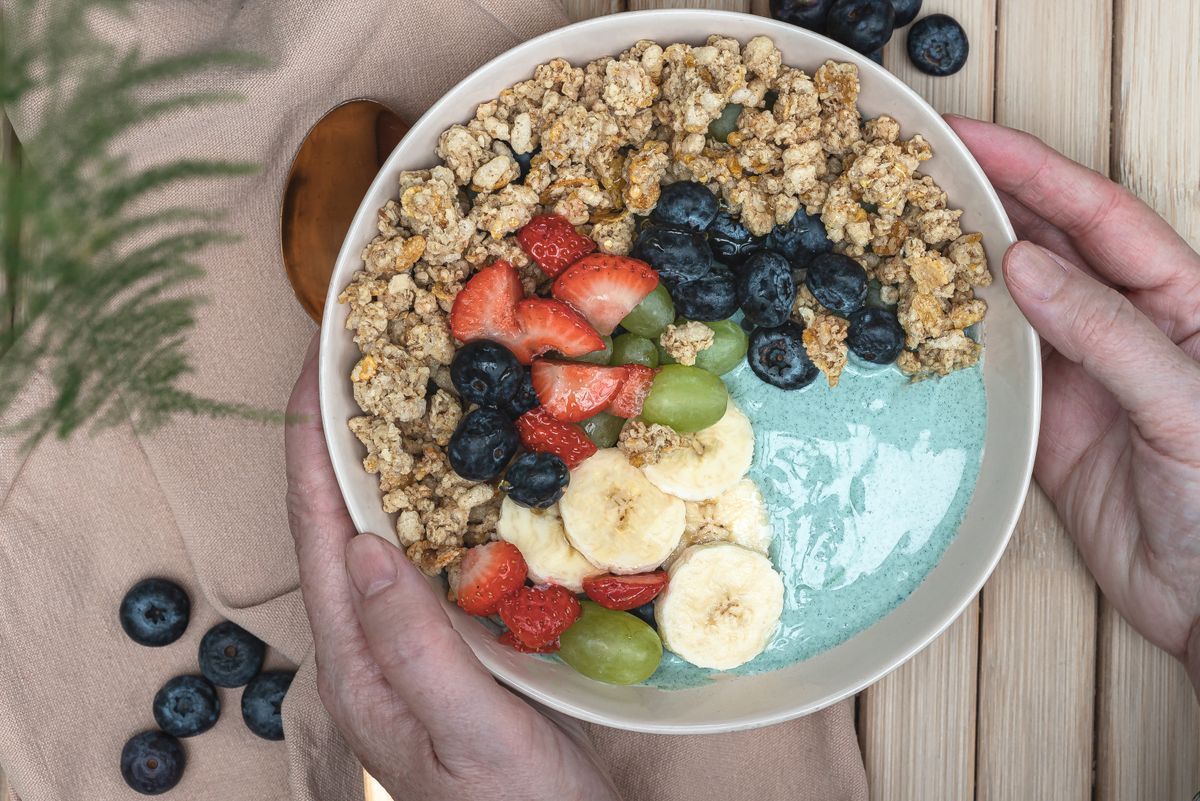
14. Protein smoothie bowl. A thicker blended smoothie eaten with a spoon, topped with granola, seeds, and fruit for added texture.
15. Greek yogurt parfait. Layered yogurt, granola, and fruit — visually appealing and genuinely filling thanks to the protein content of Greek yogurt.
16. Turkey or chicken sausage with vegetables. A leaner protein option than traditional breakfast sausage, pairing well with roasted or sautéed vegetables.
17. Protein pancakes. Made with a protein-rich batter (often incorporating cottage cheese, protein powder, or Greek yogurt), offering more staying power than traditional pancakes.
Savory Breakfast Ideas
18. Avocado toast with a fried or poached egg. A widely popular combination for good reason — healthy fat, fiber, and protein in one dish.
19. Breakfast tacos. Scrambled eggs, beans, and salsa in a small tortilla, quick to assemble and easy to customize.
20. Savory oatmeal. Oats cooked with broth instead of milk, topped with a fried egg, greens, and a savory sauce instead of the typical sweet toppings.
21. Leftover dinner for breakfast. An underrated option — a portion of last night’s dinner, particularly one with vegetables and protein, works perfectly well as a savory breakfast.
Egg-Free Breakfast Ideas
22. Smoothie bowls without protein powder concerns. Built around yogurt, fruit, and nut butter for those avoiding eggs specifically rather than all animal products.
23. Peanut butter banana oatmeal. A filling, naturally egg-free combination that reheats well from a prepared batch.
24. Tofu scramble. Crumbled tofu seasoned and cooked similarly to scrambled eggs, a common substitute for those avoiding eggs specifically.
25. Whole-grain waffles with fruit and yogurt. A naturally egg-light or egg-free option depending on the specific recipe used, easily made ahead and frozen.
Kid-Friendly Breakfast Ideas
26. Yogurt and fruit “dippers.” Cut fruit served alongside yogurt for dipping — a format that tends to appeal to younger kids more than a plated meal.
27. Mini egg muffins. The same batch-prep concept as above, in a smaller, more kid-manageable size.
28. Whole-grain waffles or pancakes, frozen in batches. Homemade versions frozen individually reheat quickly and avoid the added sugar common in many store-bought options.
Weekend Breakfast Ideas
29. Vegetable frittata. A more involved, oven-baked egg dish with vegetables, well-suited to a slower weekend morning and easy to serve to a group.
30. Homemade breakfast sandwiches. Built from scratch with a whole-grain base, egg, cheese, and a protein of choice — more time-intensive than a weekday option but worth the extra effort on a relaxed morning.
Build-Your-Own Breakfast Framework
Rather than following a fixed recipe every time, a simple mix-and-match framework covers most of these ideas at once: pick a protein base (eggs, Greek yogurt, cottage cheese, tofu), a fiber source (oats, whole-grain bread, fruit, vegetables), and a flavor or fat component (nut butter, avocado, cheese, a drizzle of honey). Combining one item from each category reliably produces a balanced breakfast without needing to memorize specific recipes, and it makes grocery shopping simpler too, since the same core ingredients can be recombined many different ways through the week.
A Realistic Batch-Prep Sunday
For anyone wanting to set up a full week of breakfasts in one session, a realistic hour on a Sunday might include: baking one batch of egg muffins (covering three or four mornings), preparing two jars of overnight oats with different toppings for variety, and washing and portioning fruit for quick grab-and-go additions. This single session covers most weekday mornings without requiring any further breakfast decisions or prep until the following weekend, which is often the biggest practical barrier to eating a consistent, healthy breakfast on busy weekdays.
Common Breakfast Mistakes
- Relying entirely on refined carbohydrates (pastries, sugary cereal) without any protein or fiber, leading to an energy dip shortly after eating.
- Skipping breakfast entirely due to time pressure, when even a very simple, quick option is generally more sustainable than skipping.
- Assuming healthy breakfasts require significant daily preparation, when many make-ahead options remove that barrier almost entirely.
- Overlooking savory options for people who genuinely don’t enjoy sweet breakfasts, leading to a less satisfying, less sustainable routine.
- Not accounting for genuine time constraints realistically, leading to breakfast plans that sound good but quietly get abandoned within a week.
Storing Make-Ahead Breakfasts Safely
Batch-prepared breakfasts should generally be cooled fully before refrigerating or freezing, stored in airtight containers to maintain freshness, and consumed within a reasonable window — most refrigerated make-ahead breakfasts (egg muffins, baked oatmeal, overnight oats) hold up well for roughly four to five days, while frozen options like breakfast burritos or waffles can last considerably longer. Labeling containers with a prep date helps avoid the common mistake of losing track of how long something has been stored, and reheating items like egg dishes thoroughly before eating is worth the extra minute for food safety.
FAQ
What’s the healthiest quick breakfast option? Options combining protein and fiber — like Greek yogurt with fruit, or overnight oats — tend to provide more sustained energy than quick options relying mainly on refined carbohydrates.
How do I make breakfast when I have no time in the morning? Make-ahead options like egg muffins, overnight oats, or frozen breakfast burritos remove nearly all morning prep time while still offering a genuinely nutritious meal.
Are smoothies a healthy breakfast option? They can be, particularly when they include a protein source and aren’t relying entirely on fruit and juice, which can otherwise be high in sugar without much staying power.
What are good egg-free breakfast options? Overnight oats, chia pudding, smoothies, and tofu scrambles are all naturally egg-free options with genuine nutritional substance.
How can I get more protein at breakfast without eating eggs? Greek yogurt, cottage cheese, protein powder in smoothies or oats, and plant-based proteins like tofu all offer substantial protein without relying on eggs.
Is it okay to eat leftovers for breakfast? Yes — a balanced dinner leftover often provides more complete nutrition than many traditional breakfast foods, and there’s no requirement that breakfast be a distinct category of food.
What breakfast foods help avoid a mid-morning energy crash? Combinations of protein, fiber, and healthy fat tend to provide steadier energy than breakfasts heavy in refined sugar or simple carbohydrates alone.
How far in advance can breakfast be meal prepped? Many options like egg muffins, overnight oats, and baked oatmeal keep well in the refrigerator for about four to five days, with some freezer-friendly options lasting considerably longer.
What are good breakfast options for picky kids? Familiar formats with some variety built in — like fruit and yogurt for dipping, or mini versions of adult favorites like egg muffins — tend to work well for encouraging kids to eat a balanced breakfast.
Can breakfast be savory instead of sweet? Absolutely — there’s no nutritional requirement that breakfast be sweet, and savory options like avocado toast, breakfast tacos, or leftover dinner are equally valid and often more filling.
Is skipping breakfast unhealthy? Individual needs vary, and some people do well without breakfast, though for those who feel low-energy or overly hungry later without it, a quick, simple option is worth building into the routine.
How do I add more fiber to my breakfast? Whole grains (oats, whole-grain bread), fruit, and vegetables added to eggs or smoothies are all straightforward ways to increase fiber content.
What’s a good breakfast for weight management goals? A breakfast including protein and fiber tends to support fullness longer than one relying mainly on refined carbohydrates, which can be helpful within a broader, individually appropriate eating pattern.
Can breakfast ideas be adapted for dietary restrictions? Yes — most of these ideas can be adapted for dairy-free, gluten-free, or plant-based diets with straightforward ingredient substitutions.
How long do make-ahead breakfasts actually stay fresh? Most refrigerated options like egg muffins or overnight oats last around four to five days, while frozen options like burritos or waffles typically last considerably longer.
Is it safe to eat cold overnight oats straight from the fridge? Yes — overnight oats are specifically designed to be eaten cold, though they can also be gently warmed if a warm breakfast is preferred that morning.
How do I keep breakfast interesting without a lot of daily effort? Preparing a few different make-ahead options in rotation, rather than the same single dish every day, keeps variety manageable without requiring daily cooking effort.
Conclusion
A genuinely healthy breakfast doesn’t need to be complicated or time-consuming — the right combination of protein, fiber, and healthy fat, prepared in a way that actually fits your schedule, matters more than any specific dish. Mix a few of these ideas into a realistic weekly rotation, and breakfast stops being a daily decision to make from scratch. For more healthy eating ideas, explore related food articles on MillionTalks.