
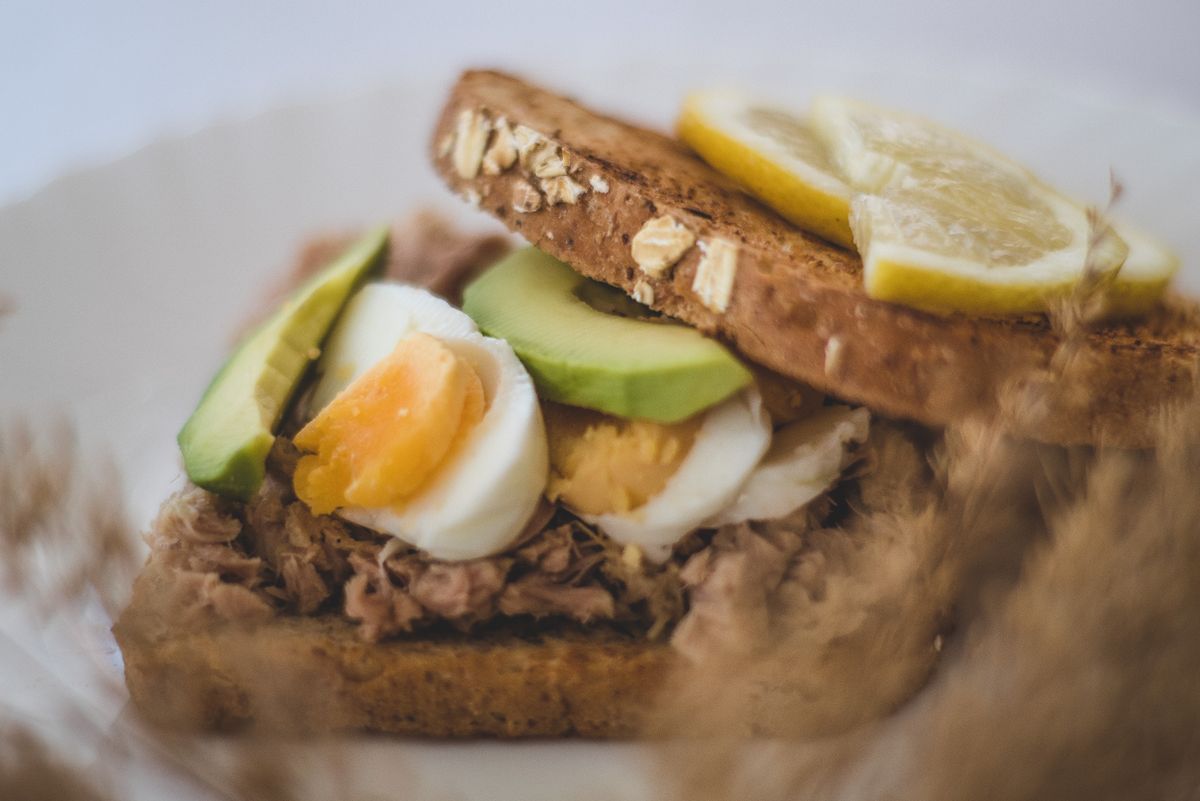
Featured Snippet Answer: High-protein foods include animal sources like eggs, poultry, fish, and dairy, plant sources like beans, lentils, tofu, and quinoa, and processed options like protein powder. A varied diet drawing from several of these categories generally covers protein needs without requiring specialized supplements for most people.
Table of Contents
- Why Protein Matters
- Animal-Based Protein Sources
- Plant-Based Protein Sources
- Dairy and Egg-Based Protein Sources
- Protein Supplements: When They’re Useful
- Building Protein Into Every Meal
- Protein Myths vs. Facts
- Common Mistakes
- FAQ
Protein gets discussed constantly in fitness and nutrition content, often with more hype than practical guidance. This guide focuses on the practical side: what foods actually provide meaningful protein, how to work them into ordinary meals, and where some of the common claims about protein don’t quite hold up.
This article provides general nutrition information, not personalized dietary advice. Individual protein needs vary by age, activity level, and health status — a registered dietitian or doctor can help determine what’s right for your specific situation.
Key Takeaways – Protein needs vary by individual factors like activity level, age, and goals — there’s no single number that applies to everyone. – Both animal and plant sources can adequately meet protein needs, though plant-based eating requires slightly more attention to variety. – Spreading protein intake across meals tends to be more effective for most goals than concentrating it all in one meal. – Whole food sources generally provide more overall nutritional value than relying heavily on protein supplements. – Combining different plant protein sources through the day covers the full range of amino acids without needing to pair them at every single meal.
Why Protein Matters
Protein supports muscle repair and growth, contributes to feeling full after meals, and plays a role in numerous bodily functions beyond muscle tissue, including immune function and hormone production. Specific protein needs vary considerably based on body size, activity level, age, and individual goals (general health, muscle building, recovery from illness), which is why blanket numerical recommendations found online should be treated as general starting points rather than precise individual targets.
Animal-Based Protein Sources
Poultry (chicken, turkey) is among the most widely used lean protein sources, versatile across countless dishes and generally well-tolerated.
Fish and seafood provide protein along with beneficial fats, particularly in fattier fish like salmon, and are generally recommended as a regular part of a varied diet.
Red meat (beef, lamb, pork) provides protein along with iron and other nutrients, though many dietary guidelines suggest moderating portions and frequency compared to poultry and fish.
Eggs are a genuinely complete protein source (containing all essential amino acids) and among the most versatile, affordable options across breakfast, lunch, and dinner.
Plant-Based Protein Sources
Legumes (beans, lentils, chickpeas) are among the most accessible and affordable plant protein sources, also providing substantial fiber.
Tofu and tempeh are soy-based proteins that absorb flavor well and work across a wide range of cooking styles, from stir-fries to baked dishes.
Quinoa stands out among grains as a complete plant protein, containing all essential amino acids unlike most other grains.
Nuts and seeds provide protein alongside healthy fats, useful both as snacks and as an addition to meals like salads or oatmeal.
Edamame offers a substantial protein boost in a simple, minimally processed form, whether as a snack or added to other dishes.
| Plant Protein Source | Protein Quality | Common Uses |
|---|---|---|
| Lentils/beans | Good, pairs well with grains for completeness | Soups, salads, bowls |
| Tofu/tempeh | Complete protein | Stir-fries, baked dishes, scrambles |
| Quinoa | Complete protein | Grain bowls, salads, side dishes |
| Nuts/seeds | Good, plus healthy fats | Snacks, toppings, nut butters |
| Edamame | Complete protein | Snacks, stir-fries, salads |
Dairy and Egg-Based Protein Sources
Greek yogurt contains notably more protein per serving than regular yogurt due to the straining process, making it a popular choice for a protein boost.
Cottage cheese is another particularly protein-dense dairy option, often used in both sweet and savory contexts.
Milk and cheese contribute meaningful protein alongside calcium, useful across a wide range of meals and snacks.
Eggs, covered above under animal sources, deserve a second mention here given how frequently they’re used specifically for their protein content in both sweet and savory dishes.
Protein Supplements: When They’re Useful
Protein powder and similar supplements can be a convenient way to meet protein goals, particularly for people with higher needs (very active individuals, certain athletes) or limited appetite or time for whole-food meals. That said, whole foods generally provide additional nutritional value — fiber, vitamins, minerals — that isolated protein supplements don’t replicate, so supplements are best viewed as a convenient addition rather than a wholesale replacement for whole-food protein sources in a typical diet.
Individual supplementation needs vary significantly — a registered dietitian can help determine whether and how much protein supplementation genuinely fits your specific situation.
Building Protein Into Every Meal
Rather than trying to consume all protein in one large meal, spreading it more evenly across breakfast, lunch, and dinner tends to work better for satiety and, for those with muscle-building goals, appears to support that goal more effectively according to much of the current research. Practical ways to do this: adding eggs, Greek yogurt, or cottage cheese to breakfast rather than relying purely on carbohydrate-heavy options; including a clear protein source (beans, chicken, tofu, fish) at both lunch and dinner rather than treating vegetables and grains as the whole meal; and choosing protein-containing snacks (nuts, yogurt, edamame) over purely carbohydrate-based ones between meals.
Protein Myths vs. Facts
| Myth | Fact |
|---|---|
| “Plant protein is always incomplete.” | Several plant sources (quinoa, tofu, edamame) are complete proteins on their own, and combining different plant sources through the day covers full amino acid needs even when individual foods aren’t complete. |
| “You need protein powder to build muscle.” | Whole food sources can adequately support muscle building for most people; supplements are convenient but not strictly necessary. |
| “More protein is always better.” | Needs vary by individual, and there are practical upper limits beyond which additional protein doesn’t provide extra benefit for most people. |
| “You can only absorb a limited amount of protein per meal.” | While spreading protein across meals appears beneficial for various reasons, the idea of a strict per-meal absorption cap is more nuanced than commonly presented online. |
| “Red meat should be avoided entirely for health.” | Most guidelines suggest moderation rather than complete avoidance, alongside a varied diet including other protein sources. |
A Practical Example: A High-Protein Day
Consider what a day of consistently including protein across meals might realistically look like: breakfast built around Greek yogurt with fruit and nuts rather than just cereal and milk; a lunch grain bowl with quinoa, chickpeas, and roasted vegetables rather than a purely carbohydrate-based sandwich; an afternoon snack of cottage cheese or a handful of nuts rather than crackers alone; and a dinner centered on a clear protein source like fish or tofu alongside vegetables and a smaller portion of starch. None of these swaps require unfamiliar ingredients or significant extra cooking time — they’re mostly a matter of shifting which food anchors each meal.
Combining Foods for Better Overall Nutrition
Protein rarely needs to be the sole focus of a meal, and pairing it thoughtfully with other food groups tends to produce more satisfying, nutritionally complete meals than protein alone. Beans paired with rice, eggs alongside vegetables, or fish with a whole grain all combine protein with fiber, complex carbohydrates, and a wider range of vitamins and minerals than a protein source eaten in isolation. This combined approach also tends to be more genuinely enjoyable and sustainable long-term than an eating pattern narrowly fixated on maximizing protein content above all else.
Common Mistakes
- Assuming a plant-based diet can’t provide adequate protein without significant extra planning, when many plant sources genuinely make this straightforward.
- Concentrating most protein intake into a single meal rather than spreading it across the day.
- Relying heavily on protein supplements while neglecting the broader nutritional value of whole food protein sources.
- Overestimating personal protein needs based on generic online recommendations not tailored to individual activity level or goals.
- Ignoring protein at breakfast specifically, often the meal most heavily skewed toward carbohydrates by default.
Budget-Friendly High-Protein Eating
Protein-rich eating doesn’t require expensive specialty ingredients. Some of the most affordable foods available — eggs, canned beans, lentils, canned fish, and bulk-purchased chicken — are also among the most protein-dense per dollar spent. Buying larger quantities of shelf-stable protein sources (dried or canned beans, oats, canned tuna) when on sale, and incorporating more plant-based protein meals into a weekly rotation, both tend to reduce overall grocery costs compared to relying heavily on premium cuts of meat or specialty protein products for every meal.
FAQ
How much protein do I actually need per day? It varies significantly by body size, activity level, age, and goals — general guidelines exist, but a registered dietitian can provide a more personalized recommendation.
Can I get enough protein on a vegetarian or vegan diet? Yes, with reasonable attention to variety — legumes, tofu, tempeh, quinoa, nuts, and seeds collectively provide ample protein for most people following plant-based diets.
What’s a complete protein? A food containing all nine essential amino acids in reasonable proportions — most animal proteins are complete, and several plant proteins (quinoa, tofu, edamame, soy) are as well.
Do I need to combine plant proteins at every meal for complete protein? Not necessarily — eating a variety of plant protein sources across the day, rather than requiring combination at every single meal, is generally sufficient for most people.
Is protein powder necessary for building muscle? No — whole food protein sources can adequately support muscle building for most people; protein powder is a convenient option rather than a strict requirement.
What are good high-protein snacks? Greek yogurt, cottage cheese, nuts, edamame, and hard-boiled eggs are all convenient, genuinely high-protein snack options.
Is too much protein harmful? For most healthy individuals, moderate increases in protein intake aren’t harmful, though certain health conditions may require specific protein guidance from a doctor or dietitian.
What’s the difference between animal and plant protein? Animal proteins are generally complete on their own; plant proteins vary, with some complete and others requiring dietary variety to cover the full range of amino acids.
How can I add more protein to breakfast specifically? Eggs, Greek yogurt, cottage cheese, and protein-enriched oatmeal are all straightforward ways to boost breakfast protein beyond a typically carbohydrate-heavy default.
Are eggs a good source of protein? Yes — eggs are a complete protein and among the most versatile, affordable protein sources across meals.
Does cooking method affect protein content? Cooking method has minimal effect on total protein content, though it can affect other nutritional aspects of a dish, such as added fat from certain preparation methods.
What foods are surprisingly high in protein? Foods like Greek yogurt, cottage cheese, lentils, and quinoa often contain more protein than people expect, especially relative to their calorie content.
How does protein intake affect feeling full after meals? Protein is generally considered one of the more satiating macronutrients, which is part of why including it consistently across meals can support appetite management within a broader healthy eating pattern.
Should athletes eat more protein than the general population? Many athletes and highly active individuals do have somewhat elevated protein needs compared to sedentary individuals, though the specific amount varies by sport, training volume, and individual factors.
Can older adults benefit from more protein? Some research suggests protein needs may increase somewhat with age to help maintain muscle mass, though individual guidance from a doctor or dietitian is worthwhile given the range of factors involved.
What are the most budget-friendly high-protein foods? Eggs, canned or dried beans, lentils, canned fish, and bulk chicken are among the most affordable protein sources per serving, especially compared to premium cuts of meat.
Do I need to eat protein immediately after exercise? While post-exercise protein timing has been widely discussed, overall daily protein intake appears to matter more than precise timing for most people’s general fitness goals.
Can too little protein cause health problems? Chronically inadequate protein intake can affect muscle maintenance, immune function, and overall health over time, which is part of why including reliable protein sources in the diet consistently matters.
Conclusion
High-protein eating doesn’t require elaborate meal plans or expensive supplements — a varied diet drawing from animal, plant, and dairy sources, spread reasonably across meals, covers the needs of most people. For more practical, everyday nutrition guidance, explore related food and health articles on MillionTalks.