
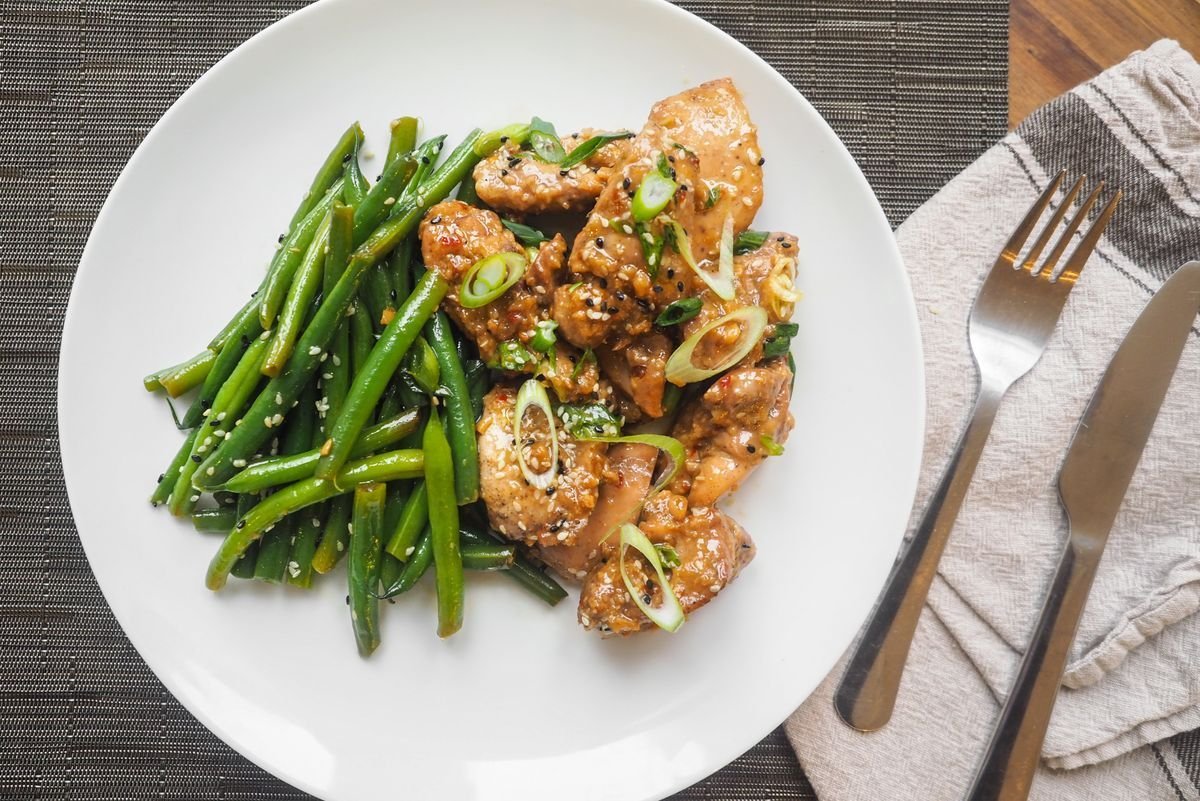
Featured Snippet Answer: Easy weeknight dinners generally rely on a few practical strategies: one-pan meals to minimize cleanup, recipes with five to seven ingredients, pre-cooked or pre-cut components, and dishes that scale well for leftovers — turning cooking from a nightly decision into a manageable, repeatable routine.
Table of Contents
- What Actually Makes a Dinner “Easy”
- One-Pan and Sheet-Pan Meals
- 20-Minute (or Less) Dinner Ideas
- Slow Cooker and Set-and-Forget Meals
- Pantry-Based Dinners
- Family-Friendly Dinner Ideas
- Budget-Friendly Dinner Ideas
- Building a Weeknight Dinner Rotation
- Common Mistakes
- FAQ
The gap between “I want to cook a real dinner” and “I actually cooked a real dinner tonight” usually comes down to a handful of practical decisions made in advance, not raw cooking skill. These ideas focus on genuinely realistic weeknight cooking rather than recipes that look easy on paper but take an hour of prep.
Key Takeaways – One-pan and sheet-pan meals cut both active cooking time and cleanup significantly. – A rotation of five to seven reliable go-to dinners removes the mental load of deciding what to cook every single night. – Slow cookers and similar set-and-forget methods let the actual cooking happen while you’re doing something else entirely. – Pantry-based dinners are a genuinely useful backup for nights when a grocery run didn’t happen. – Batch-cooking a portion of dinner for intentional leftovers effectively halves the following night’s cooking effort.
What Actually Makes a Dinner “Easy”
A few practical factors, more than raw recipe complexity, determine whether a dinner actually happens on a busy weeknight: total active time (not just cook time — chopping, stirring, and monitoring all count), number of dishes and pans requiring cleanup afterward, how many ingredients need to be specifically purchased versus already on hand, and how forgiving the recipe is if timing runs a few minutes off, which matters enormously on nights that don’t go exactly to plan.
One-Pan and Sheet-Pan Meals
1. Sheet-pan chicken and vegetables. Chicken pieces and chopped vegetables roasted together on one tray, seasoned simply, with minimal cleanup.
2. One-pan pasta. Pasta cooked directly in a sauce with vegetables and protein in a single pot, absorbing flavor as it cooks rather than requiring separate draining and combining steps.
3. Skillet fajitas. Sliced protein and peppers cooked together in one pan, served with tortillas and toppings.
4. Sheet-pan salmon with vegetables. A quick-cooking protein paired with roasted vegetables on the same tray, ready in around 20 minutes.
5. One-pot chili or stew. Ingredients simmered together in a single pot, often improving in flavor as leftovers the following day.
20-Minute (or Less) Dinner Ideas
6. Stir-fry with pre-cut vegetables. Using pre-chopped or frozen vegetables significantly cuts prep time on an already-fast cooking method.
7. Quesadillas. Cheese and any available protein or vegetables folded into a tortilla and pan-cooked until crisp — flexible and genuinely fast.
8. Egg-based dinners. Omelets, frittata-style scrambles, or shakshuka-style dishes come together quickly and work well for dinner, not just breakfast.
9. Pre-made pasta with a simple sauce. Store-bought or previously frozen sauce paired with fresh pasta and a quick side salad.
10. Grain bowls with rotisserie chicken. Pre-cooked chicken combined with a grain, vegetables, and a simple dressing for a fast, balanced meal.
Slow Cooker and Set-and-Forget Meals
11. Slow cooker pulled chicken or pork. Minimal prep in the morning, ready to shred and serve by dinner, versatile enough for sandwiches, tacos, or grain bowls.
12. Slow cooker soup or stew. Ingredients combined in the morning, ready without any evening effort beyond serving.
13. Instant Pot or pressure cooker dinners. Similar convenience to a slow cooker but with significantly reduced total cooking time for nights with less advance planning.
Pantry-Based Dinners
14. Canned bean and vegetable soup. Built almost entirely from shelf-stable ingredients, useful for nights without fresh groceries on hand.
15. Pasta with canned tomatoes and pantry seasonings. A reliable backup dinner using ingredients that keep well in the pantry for extended periods.
16. Fried rice with whatever’s on hand. A genuinely flexible way to use leftover rice and whatever vegetables or protein are available, minimizing food waste in the process.
Family-Friendly Dinner Ideas
17. Build-your-own taco or burrito bowls. Individual components laid out for everyone to assemble their own plate, accommodating different preferences without separate cooking.
18. Homemade pizza on a simple base. Store-bought dough or flatbread topped as desired, genuinely popular across most age groups and easy to customize per person.
19. Baked chicken tenders with vegetables. A familiar format for kids, still allowing for a genuinely balanced plate with vegetables included.
Budget-Friendly Dinner Ideas
20. Bean-based meals. Beans are inexpensive, filling, and combine well with rice, vegetables, or in soups and chilis.
21. Egg-based dinners. Among the least expensive protein sources, versatile enough to combine with whatever vegetables need using up.
22. Whole roasted chicken, stretched across multiple meals. One larger purchase that can provide a roast dinner, then sandwiches or a soup from the leftover meat and bones.
Building a Weeknight Dinner Rotation
Rather than deciding what to cook from scratch every single night, a rotation of five to seven reliable, genuinely liked dinners removes most of the daily decision fatigue around cooking. A practical approach: pick one recipe from each category above (a one-pan meal, a 20-minute option, a slow cooker meal, a pantry backup) and rotate through them weekly, adjusting the rotation occasionally to keep it interesting without needing to plan an entirely new menu every week.
| Category | Example | Active Time |
|---|---|---|
| One-pan | Sheet-pan chicken and vegetables | ~15 minutes |
| 20-minute | Stir-fry with pre-cut vegetables | ~15–20 minutes |
| Slow cooker | Pulled chicken | ~10 minutes (morning) |
| Pantry backup | Bean and vegetable soup | ~15 minutes |
Shopping Strategically for Easy Dinners
A well-stocked kitchen makes far more difference to weeknight cooking than any specific recipe skill. Keeping a small set of versatile staples consistently on hand — canned beans and tomatoes, a few grains, frozen vegetables, eggs, and a couple of proteins in the freezer — means a reasonable dinner is almost always possible without an emergency grocery run. A weekly or biweekly shop built around the planned dinner rotation, rather than an unplanned wander through the store hoping for inspiration, also tends to produce faster, cheaper, and less stressful shopping trips.
Turning One Dinner Into Two
A particularly efficient habit for busy weeks: intentionally cooking slightly more than needed for one dinner, then either serving it as-is for lunch the next day or transforming it into a genuinely different-feeling meal. Roasted chicken becomes a quick soup or sandwich filling; extra rice and vegetables become a fried rice base; a larger pot of chili covers two separate dinners with minimal extra effort the second time. This single habit can effectively cut the total weekly cooking workload by a meaningful margin without requiring any additional planning beyond doubling a recipe.
Common Mistakes
- Choosing overly ambitious recipes for weeknights, then abandoning cooking altogether when time runs short.
- Not keeping a basic pantry stocked, leaving no backup option on nights a grocery trip didn’t happen.
- Cooking a completely new recipe every night rather than building a reliable, repeatable rotation.
- Underestimating actual active time, leading to a rushed, stressful dinner rather than a genuinely quick one.
- Not cooking extra portions intentionally, missing an easy opportunity to reduce the following night’s effort through planned leftovers.
Keeping a Small Rotation From Feeling Repetitive
A common worry about relying on a repeatable dinner rotation is that it will start to feel boring within a few weeks. In practice, varying the seasoning profile of the same basic format goes a long way: the same sheet-pan chicken and vegetables can taste genuinely different with a lemon-herb seasoning one week and a smoky paprika blend the next, without changing the underlying technique or shopping list at all. Keeping three or four different sauce or seasoning combinations on hand for a handful of core formats (a stir-fry, a sheet-pan meal, a grain bowl) provides meaningful variety while keeping the actual cooking process just as fast and familiar.
FAQ
What’s the fastest way to get dinner on the table on a busy night? One-pan meals and dishes using pre-cut or pre-cooked ingredients (rotisserie chicken, pre-chopped vegetables) consistently save the most total time.
How do I stop feeling overwhelmed deciding what to cook every night? Building a rotation of five to seven reliable, genuinely liked dinners removes the need to decide from scratch each night.
What are good backup dinners for nights without fresh groceries? Pantry-based meals using canned beans, tomatoes, and shelf-stable staples are reliable options that don’t depend on a recent grocery trip.
Are slow cooker meals actually easier than stovetop cooking? Often yes for busy weeknights specifically, since the active effort happens earlier in the day, leaving dinner essentially ready by the time it’s needed.
How can I make weeknight dinners healthier without more effort? Sheet-pan and one-pan meals that automatically include vegetables alongside protein tend to produce a balanced plate without extra planning.
What’s a good way to reduce dinner cleanup? One-pan and sheet-pan recipes specifically minimize the number of dishes and pans used, cutting cleanup time significantly compared to multi-pot meals.
Can easy dinners still be healthy for the whole family? Yes — many easy, quick dinner formats naturally include a protein, vegetables, and a grain or starch, covering balanced nutrition without extra complexity.
How do I get kids to eat a wider variety of foods at dinner? Build-your-own formats, where kids assemble their own plate from familiar components, tend to encourage more willingness to try new elements than a single fixed dish.
What are cheap protein sources for budget-friendly dinners? Eggs, beans, and canned fish are among the most affordable protein sources, all versatile across many different easy dinner formats.
How far in advance should slow cooker ingredients be prepped? Many slow cooker recipes allow chopping and combining ingredients the night before, refrigerating the insert, and starting the cooker the next morning with minimal effort.
Is meal planning necessary for easy weeknight dinners? It significantly helps — even loose planning (knowing the week’s five dinners in advance) reduces the daily decision fatigue that often leads to skipping cooking altogether.
What’s a good one-pot meal for a family of four? Chili, hearty soups, and one-pot pasta dishes all scale well for a family and typically reheat well as leftovers too.
How do I make stir-fry faster on a weeknight? Using pre-cut or frozen vegetables and having the sauce pre-mixed before starting to cook cuts a significant portion of the total active time.
Are frozen vegetables a good substitute for fresh in quick dinners? Yes — frozen vegetables are typically flash-frozen at peak freshness and work well in most quick-cooking recipes without a meaningful quality tradeoff.
How do I keep easy dinners from feeling repetitive? Rotating the specific seasonings, sauces, or vegetable combinations within the same basic formats (a stir-fry, a sheet-pan meal) keeps variety without needing entirely new recipes each week.
Is it worth doubling recipes to have leftovers? Yes — intentionally cooking extra portions for a second meal is one of the most efficient ways to reduce total weekly cooking effort with minimal additional planning.
What pantry staples should I always keep on hand? Canned beans and tomatoes, a couple of grains, frozen vegetables, eggs, and a frozen protein or two cover most quick, reliable dinner backups.
How do I involve kids in making weeknight dinners easier? Build-your-own formats like taco or bowl setups let kids participate in assembly, which can reduce mealtime resistance while keeping actual cooking simple for the adult in charge.
Conclusion
Easy weeknight dinners come down to a handful of practical strategies — one-pan cooking, a reliable rotation, pantry backups, and occasional set-and-forget methods — more than any specific recipe. Build a small rotation that genuinely works for your schedule, and dinner stops being a nightly decision made under pressure. For more practical, everyday cooking ideas, explore related food articles on MillionTalks.